
Flexibility and mobility are the two most neglected components of physical fitness — consistently overshadowed by the more glamorous goals of strength and cardiovascular endurance. Yet flexibility and joint mobility are the foundational qualities that make every other physical activity possible, prevent injury, improve posture, reduce chronic pain, and maintain functional independence through ageing. The desk worker who cannot touch their toes, the middle-aged professional whose shoulders are perpetually tight from driving and typing, and the elderly person who has lost the ability to squat — all are experiencing the consequences of years of insufficient stretching and mobility work.
Daily stretching requires no equipment, no gym membership, no special clothing, and as little as 10–15 minutes per day. The barrier to beginning is essentially zero — and the benefits accumulate consistently from the very first session. This guide gives you a complete understanding of stretching principles and a practical daily home stretching routine applicable to all fitness levels.
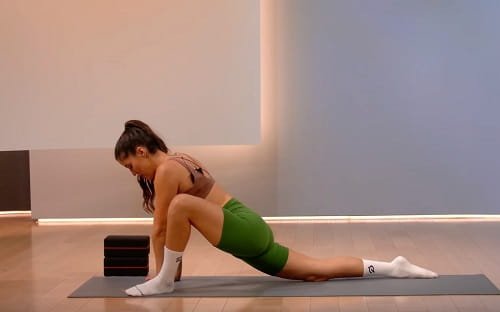
Types of Stretching — What to Do When
Understanding the two primary forms of stretching allows you to use them at the right times for maximum benefit.
Static stretching — Holding a stretched position for 20–60 seconds. Most effective when muscles are warm — after exercise or a warm shower. Improves flexibility over time and reduces post-exercise muscle soreness. Should not be performed extensively before exercise on cold muscles as it may temporarily reduce muscle power output.
Dynamic stretching — Controlled movement through a full range of motion — leg swings, arm circles, hip rotations, and cat-cow. Ideal as a warm-up before exercise as it increases muscle temperature, joint lubrication, and neuromuscular readiness without reducing power.
For daily home stretching focused on flexibility, mobility, and posture improvement, static stretching after a warm-up (5 minutes of walking in place or light movement) is the most effective approach.
The Daily Home Stretching Routine — 15 Minutes
Perform each stretch once per side where applicable, holding for 30 seconds. Complete the routine after a 5-minute warm-up walk or light movement.
1. Neck Side Stretch (Upper Trapezius)
Sit or stand tall. Drop your right ear toward your right shoulder until you feel the stretch along the left side of your neck. Hold 30 seconds. Repeat left. Relieves the chronic neck tension that desk workers accumulate daily.
2. Chest Opener (Pectorals)
Stand in a doorway. Place both forearms vertically on the doorframe. Step one foot forward until you feel a gentle stretch across the front of your chest and shoulders. Hold 30 seconds. Counteracts the forward-rounded posture created by prolonged computer and phone use.
3. Cat-Cow Stretch (Spinal Mobility)
On hands and knees, alternate between arching the spine toward the ceiling (cat — exhale) and dropping the belly toward the floor (cow — inhale). Perform 10 slow, controlled repetitions. Lubricates every vertebral joint and relieves spinal compression from sitting.
4. Child’s Pose (Thoracic Spine and Hips)
From hands and knees, sit your hips back toward your heels, extend your arms forward, and rest your forehead on the floor. Hold 60 seconds. Decompresses the entire spine, opens the hips, and activates the parasympathetic nervous system for relaxation.
5. Hip Flexor Stretch (Iliopsoas)
Kneel on the right knee, left foot forward in a lunge position. Gently push your hips forward until you feel the stretch at the front of the right hip. Hold 30 seconds. This is the most important stretch for anyone who sits for extended periods — shortened hip flexors from prolonged sitting create anterior pelvic tilt that is the root cause of much chronic lower back pain.
6. Seated Hamstring Stretch
Sit on the floor with legs extended. Reach forward toward your feet — only as far as comfortable without rounding the lower back. Hold 30 seconds. Tight hamstrings pull the pelvis into a posterior tilt that impairs posture and contributes to lower back pain.
7. Seated Spinal Twist (Piriformis and Thoracic Rotation)
Sit on the floor with both legs extended. Cross your right foot over your left knee. Place your right hand behind you and your left elbow outside your right knee. Gently twist your torso to the right, looking over your right shoulder. Hold 30 seconds. Repeat on the other side. Releases the piriformis muscle (a common contributor to sciatica) and restores thoracic rotation mobility.
8. Lying Figure-4 Stretch (Glutes)
Lie on your back. Cross your right ankle over your left knee. Flex your right foot and gently press your right knee away from you. Hold 30 seconds. Repeat on the other side. Relieves deep gluteal tightness that frequently contributes to hip and lower back discomfort.
9. Calf Stretch
Stand facing a wall. Place both hands on the wall. Step one foot back, keeping the heel flat on the floor and the back leg straight. Lean into the wall until you feel the calf stretch. Hold 30 seconds each side. Calf tightness contributes to ankle mobility limitation and plantar fasciitis.
10. Supine Spinal Twist (Thoracic Decompression)
Lie on your back. Bring both knees to your chest. Drop both knees to the right side, arms extended in a T-shape. Hold 30 seconds. Repeat to the left. Decompresses the lumbar spine and releases paraspinal muscle tension accumulated throughout the day.
When to Stretch for Maximum Benefit
Morning stretching — A 10-minute morning routine combining cat-cow, child’s pose, and the hip flexor stretch activates the body, reduces morning stiffness, and improves mobility for the day ahead.
Post-exercise stretching — Static stretching when muscles are warm accelerates flexibility gains and reduces next-day soreness. Hold each stretch longer — 45–60 seconds.
Evening stretching — Stretching before bed reduces physical tension accumulated during the day, activates the parasympathetic nervous system, and significantly improves sleep quality for many people.
Frequently Asked Questions (FAQs)
Q: How long does it take to improve flexibility through daily stretching?
A: Noticeable flexibility improvements typically appear within 3–4 weeks of consistent daily stretching.
Q: Is it okay to stretch every day?
A: Yes — daily static stretching is safe and beneficial. The body responds to consistent stretching with gradual, sustained flexibility improvements.
Q: What is the best single stretch for desk workers?
A: The hip flexor stretch — it directly addresses the most common posture problem created by prolonged sitting.