
Men’s fashion awareness in India is evolving rapidly — the generations entering the workforce today have more style consciousness, more fashion media exposure, and more diverse brand access than any previous generation of Indian men. Yet for many men approaching fashion systematically for the first time, the landscape feels overwhelming — too many rules, too many conflicting opinions, and too little practical guidance about where to actually begin.
The truth is that men’s fashion is simpler in its foundations than women’s — a smaller number of well-chosen, well-fitted pieces in a coherent colour palette creates a consistently strong result that serves professional, social, and casual needs comprehensively. This beginner’s guide gives you the practical starting point that transforms confusion into confidence.
Foundation 1 — Fit Is Everything
Before discussing any specific clothing items, the single most important principle in men’s fashion must be stated clearly: fit determines 80% of how good any outfit looks on any body. An expensive shirt in the wrong fit looks worse than a budget shirt in the correct fit. Sleeves should end at your wrist bone, shirt shoulders should sit exactly at your shoulder, trouser breaks should land between the lace and ankle, and jackets should close cleanly across the chest without pulling.
The most impactful fashion investment most Indian men can make is visiting a good local tailor with their best-fitting garments and having specific alterations done — taking in a shirt at the waist, tapering trouser legs, hemming trousers to the right length. These alterations typically cost ₹100–₹500 and transform garments completely.
The Men’s Wardrobe Foundation — 10 Essential Pieces
- White plain T-shirt — 2–3 pieces in quality cotton. The foundation of casual dressing.
- Navy or grey plain T-shirt — Versatile neutral options that work under open shirts or alone with jeans.
- White formal shirt — For professional settings, formal occasions, and weddings.
- Light blue formal shirt — The second most versatile formal colour after white.
- Dark indigo straight-leg jeans — The most versatile casual bottom, dressable up or down.
- Chinos in beige, khaki, or olive — The smart-casual bottom that works where jeans are too casual and formal trousers too formal.
- Formal trousers in navy or charcoal — For office and formal occasions.
- Navy blazer — The single most impactful wardrobe piece for Indian men — transforms every outfit beneath it.
- Well-fitted kurta in a solid neutral — For festive, cultural, and family occasions where Indian wear is appropriate.
- Clean white sneakers — The most versatile casual footwear in contemporary men’s style.
Building Outfits From These Pieces
Smart casual — Navy blazer + white tee + dark jeans + white sneakers or loafers.
Business casual — Light blue shirt + chinos + Derby shoes.
Formal — White shirt + formal trousers + dark Derby or Oxford shoes.
Smart Indian — Solid kurta + churidar or straight trousers + Kolhapuri sandals.
These four outfit structures cover 90% of the occasions an Indian man encounters in professional and social life.
Men’s Grooming Essentials
Grooming is as important as clothing to personal presentation — and is frequently underinvested by men who focus on clothing while neglecting the face and hair that are the actual first impression.
Skin care — A basic three-step skincare routine — gentle face wash morning and evening, moisturiser, and sunscreen during the day — addresses the most common skin issues (dullness, dryness, oiliness) and takes 3 minutes daily. Men’s skin ages more visibly without basic care — sunscreen alone prevents sun damage that causes premature lines and uneven skin tone.
Hair care — Regular trimming (every 3–6 weeks) to maintain the intended shape of your haircut is essential. A quality styling product — pomade, clay, or wax — appropriate for your hair texture and desired style adds finish and control. Regular shampooing (3–4 times weekly with an appropriate shampoo for your hair type) and conditioning (after every shampoo) maintain scalp health.
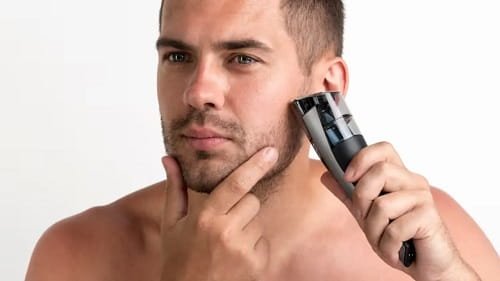
Beard and facial hair — Whether clean-shaven or bearded, maintaining clear definition and clean edges is essential. A well-maintained, shaped beard looks intentional and stylish; an ungroomed beard undermines even excellent clothing. Invest in a quality trimmer (₹1,500–₹3,500 from Philips or Braun) and trim weekly.
Fragrance — A signature cologne — worn lightly, 1–2 sprays on pulse points — is one of the most lasting impression-making personal style elements. Fragrance lingers in memory more persistently than visual appearance. Explore Oriental, Woody, and Fresh fragrance families to find what suits your personality and complexion chemistry.
Frequently Asked Questions (FAQs)
Q: What should a man buy first for his wardrobe?
A: Dark jeans, a white T-shirt, and a navy blazer — these three pieces create the most versatile outfits with everything else.
Q: What is a basic men’s skincare routine?
A: Face wash + moisturiser + sunscreen. These three steps, consistently applied, address 80% of men’s skin concerns.
Q: How often should men get a haircut?
A: Every 3–6 weeks to maintain the intended shape. Longer hair can go 6–8 weeks between cuts.