
Student development includes emotional strength, healthy communication, and respectful behaviour. Children also benefit from self-awareness and positive social habits during academic years. Social-emotional learning may help students respond calmly during pressure and group interaction. These skills can support confidence, discipline, and stronger peer relationships over time.
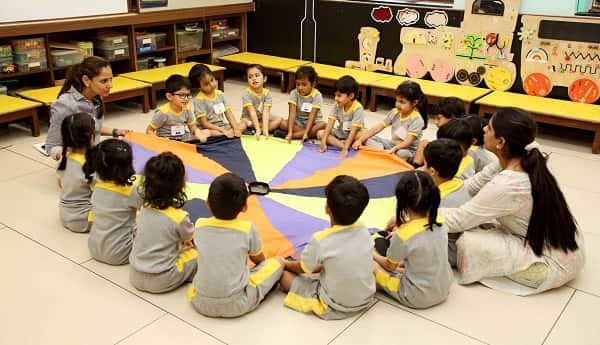
1. Better Emotional Awareness
Social-emotional learning helps students notice their emotions and respond with care.
Many parents who explore the top international schools in Mumbai also review how emotional support is part of student life. Self-awareness may help children express fear, stress, or doubt with more clarity. It also supports calm conduct during tests, group tasks, and peer concerns.
Families in Bangalore often value academic spaces that support emotional health along with lessons. Students may face pressure from exams, activities, and peer groups. Emotional awareness helps with patience during such phases. It may also improve maturity in daily interactions.
2. Clear Communication Skills
Strong communication helps students share views with respect. Social-emotional learning supports honest speech, active response, and polite dialogue. Students who speak clearly may take part in debates, projects, and class talks with more ease. This may help improve confidence during academic activities.
Parents in Mumbai may observe student and teacher interaction during campus visits. Respectful dialogue often shows a healthy social culture. In Bangalore, group-based tasks can aid speech clarity and careful response. Such habits support better peer relationships over time.
3. Conflict Resolution
Conflicts can affect comfort, focus, and discipline during the school day. Social-emotional learning helps children pause, listen, and respond with fairness. It may reduce harsh reactions during peer disputes. Students also learn to respect different views during shared tasks.
Many parents in Bangalore prefer academic spaces that promote calm conduct among students. Conflict resolution lessons may help children handle group pressure with care. In Mumbai, families often value campuses that support empathy and fair dialogue. Such practices can create a more stable social atmosphere.
4. Healthy Peer Bonds
Friendships play a strong role in student confidence. Social-emotional learning may help children build respectful and supportive peer bonds. Group activities teach cooperation, shared duty, and patience. Students feel more secure when positive peer habits are part of daily life.
Families who compare the best ICSE schools in Bangalore may observe how students behave during campus visits. Kind conduct among peers usually reflects sound social values. Several parents in Mumbai also value inclusion and mutual respect. Positive friendships may help improve emotional comfort throughout academic years.
5. Better Focus in Lessons
Emotional balance can affect attention during class. Students who manage stress calmly may focus better on lessons and assignments. Social-emotional learning supports self-control, responsibility, and steady effort. Stable emotions may also improve class participation.
Habits That Support Focus
- Calm response during academic pressure
- Respectful talk with classmates
- Better time use
- Clear contact with teachers
Parents in Bangalore may notice that emotionally balanced students respond better during tests and oral work. Focus may also support regular homework and class effort. Families in Mumbai often value positive discipline in academic spaces. Such habits support both emotional growth and subject progress.
6. Builds Confidence
Students take part in debates, cultural events, sports activities, and group projects throughout the academic year. Social-emotional learning may help children speak with greater confidence during such events and public interactions. Shared activities also support self-belief, social comfort, and active participation among peers. Students may show stronger involvement in discussions and presentations after regular peer contact and collaborative tasks.
Many families in Mumbai value opportunities that help children overcome hesitation in social and academic settings. Public speech, drama, music, and team-based tasks can aid confidence and communication skills over time. In Bangalore, project work, competitions, and group activities may support teamwork and leadership qualities among students. These experiences help children feel more prepared and comfortable during social situations and academic events.
7. Respect for Diversity
Students meet classmates from different homes, cultures, and views. Social-emotional learning may help build empathy and respect. It teaches fairness through daily conduct and peer contact. Such values can reduce the distance among classmates.
Parents in Bangalore often prefer campuses that promote respect across student groups. Equal chances in activities may help each child feel valued. Families in Mumbai may also review how discipline and student conduct are handled. A respectful environment supports emotional safety and confidence.
Social-emotional learning has become an important factor for families who review the top international schools in Mumbai. It supports empathy, confidence, focus, and calm conduct during academic life. For parents in Bangalore, these skills may matter as much as facilities or exam results. A balanced environment that values emotional growth can help students build steady personal strength.