
Your immune system is your body’s most sophisticated defence mechanism — a complex network of cells, organs, and biochemical processes that identifies and eliminates pathogens, cancerous cells, and foreign substances continuously. Unlike most health goals that require dramatic lifestyle interventions, immunity is profoundly influenced by the cumulative effect of everyday choices — what you eat, how you sleep, how much you move, and how effectively you manage stress determine your immune resilience over time.
India’s culinary and Ayurvedic tradition has always understood that food is medicine — and modern nutritional science has validated the immunological significance of dozens of everyday Indian ingredients. This guide covers the most effective everyday foods and daily habits that support robust, resilient immune function — foods you likely already have in your kitchen and habits that take minutes to implement.
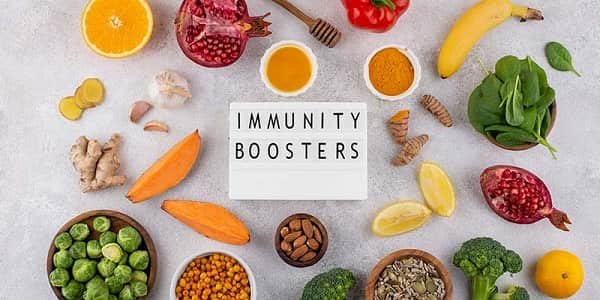
How Immunity Actually Works
Your immune system operates through two distinct arms: innate immunity — the immediate, non-specific first-line response — and adaptive immunity — the slower, highly specific response that produces antibodies tailored to specific pathogens and creates immunological memory. Both arms require adequate nutritional support to function optimally.
Key nutrients for immune function include Vitamin C (stimulates white blood cell production), Vitamin D (regulates immune cell activation), zinc (essential for immune cell development and inflammatory response), iron (oxygen transport to immune cells), and selenium (antioxidant protection of immune cells). India’s dietary patterns — when based on whole traditional foods — naturally deliver most of these nutrients. The modern shift toward processed foods has created nutritional gaps that directly impair immune competence.
The Most Powerful Immunity-Boosting Indian Foods
1. Turmeric — The Golden Immunomodulator
Turmeric (Haldi) contains curcumin — one of nature’s most extensively researched bioactive compounds with documented anti-inflammatory, antioxidant, antiviral, and immunomodulatory properties. Curcumin enhances the activity of natural killer cells and T-cells, regulates inflammatory cytokine production, and inhibits viral replication at the cellular level.
For maximum benefit, combine turmeric with black pepper — piperine in black pepper increases curcumin bioavailability by 2000%. The traditional haldi doodh (golden milk) — warm milk with turmeric, black pepper, and ginger — is an extraordinary daily immune tonic that Indian tradition has recommended for centuries and nutritional science has now validated.
2. Ginger — The Anti-Inflammatory Root
Fresh ginger contains gingerols and shogaols — bioactive compounds with potent anti-inflammatory and antioxidant properties that directly support immune function. Ginger enhances lymphocyte activity, reduces inflammatory markers, and has demonstrated antiviral properties against respiratory viruses. Daily ginger intake through fresh ginger tea, adding to dal and sabzi, or as ginger-lemon-honey water provides consistent immunological support.
3. Garlic — Nature’s Antibiotic
Raw garlic contains allicin — a potent antimicrobial compound that activates upon crushing or chopping. Allicin has demonstrated broad-spectrum antimicrobial activity against bacteria, viruses, and fungi, and garlic extracts have shown the ability to reduce the duration and severity of common cold in clinical trials. Consuming 1–2 crushed raw garlic cloves daily — in chutneys, with honey, or mixed into dressings — delivers maximum allicin activity.
4. Amla (Indian Gooseberry) — Vitamin C Powerhouse
Amla contains 20 times more Vitamin C than oranges by weight — and unlike synthetic Vitamin C supplements, amla’s Vitamin C is accompanied by tannins that prevent its oxidation and dramatically extend its stability and bioavailability. A single fresh amla or one teaspoon of amla powder daily delivers abundant Vitamin C that stimulates white blood cell production and provides the antioxidant protection that immune cells require for optimal function.
5. Curd and Fermented Foods — The Gut-Immunity Connection
Seventy percent of the immune system resides in the gut — specifically in the gut-associated lymphoid tissue (GALT) that is directly influenced by the composition and diversity of the gut microbiome. Daily consumption of probiotic-rich foods — fresh curd, chaas, homemade pickle, idli, dosa — maintains a diverse, healthy gut microbiome that directly trains and regulates immune responses. Regular probiotic consumption reduces the incidence and severity of respiratory infections in clinical research.
6. Moringa (Drumstick) — The Nutritional Superfood
Moringa leaves — used extensively in South Indian cooking and increasingly recognised globally as a nutritional powerhouse — contain Vitamin C, Vitamin A, iron, calcium, potassium, zinc, and protein in extraordinary concentrations. Regular consumption of drumstick in sambar, moringa leaf stir-fry, or moringa powder in meals delivers a broad micronutrient profile that supports virtually every aspect of immune function simultaneously.
7. Tulsi (Holy Basil) — The Adaptogenic Immunomodulator
Tulsi has been revered in Ayurvedic medicine for millennia — and modern pharmacological research has validated its immunomodulatory, anti-inflammatory, and antiviral properties. Regular tulsi tea — made from fresh or dried leaves — enhances both innate and adaptive immunity, reduces cortisol, and has demonstrated protective effects against respiratory infections. Tulsi grows easily in pots on Indian balconies and terraces, making fresh daily access straightforward.
Daily Habits That Support Immunity
Sleep adequately — Immune cell production, particularly natural killer cells and T-cells, occurs primarily during deep sleep. Consistently sleeping fewer than 7 hours reduces natural killer cell activity by up to 70% compared to adequate sleep.
Exercise moderately — Regular moderate exercise improves immune surveillance and vaccination response. Excessive intense exercise, paradoxically, temporarily suppresses immunity — the “open window” phenomenon well-documented in endurance athletes.
Manage stress — Chronic cortisol elevation suppresses both innate and adaptive immunity. Daily stress management practices are immune practices.
Stay hydrated — Adequate hydration supports mucosal immunity — the first line of immune defence in the respiratory and digestive tracts.
Frequently Asked Questions (FAQs)
Q: Which single food boosts immunity most effectively?
A: Amla is arguably India’s single most potent immune-supporting food — extraordinary Vitamin C content with superior bioavailability.
Q: Does haldi doodh (golden milk) actually boost immunity?
A: Yes — the combination of curcumin (turmeric), gingerols (ginger), and piperine (black pepper) in haldi doodh delivers genuine immunomodulatory benefits validated by multiple studies.
Q: How quickly can dietary changes improve immunity?
A: Improvements in immune markers can be measured within 4–6 weeks of consistent dietary improvement.