
Selecting materials for a home or workspace can feel quite overwhelming because there are so many choices that look similar but perform very differently when put into a room. People often think about the colour or the pattern first, which makes sense because that is what you see, but the way a surface feels and how it stands up to daily use matters just as much in the long run. There are several specific varieties that professionals tend to rely on because they solve very specific problems that arise in design.
Understanding How Different Surfaces Handle Light And Touch
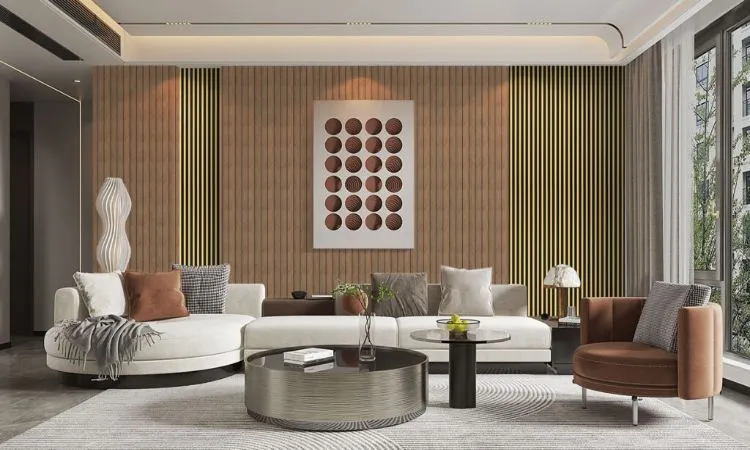
One of the most common options people talk about is a matte surface because it does not reflect light in a way that creates glare, which is helpful in rooms with a lot of windows. It feels soft to the hand, and it hides finger marks better than a shiny surface would, which is a small detail that becomes very important when you are cleaning a kitchen every day.
Another type that stands out for its visual impact is the high-gloss variety, which has a mirror-like quality that makes a small room feel a bit larger than it actually is. It has a way of making colours look deeper and more saturated, but it does require a bit more attention because every smudge shows up under direct light. Even so, for a modern look in a bathroom or a vertical cabinet, it provides a certain sharpness that other materials cannot quite match.
Sometimes the goal is to make a man-made material look as close to nature as possible, and that is where textured versions come into play. These are designed with ridges and grains that mimic the pattern of wood or stone, so that when you run your hand over the surface, it feels like the real thing. It is a practical choice for someone who wants the warmth of timber without the high maintenance of real wood slabs. Brands like Advance Laminates offer a range of these textures that work well for office desks or feature walls, providing a bit of depth without the cost of natural materials. If you are looking for a durable finish for a high-traffic area, considering how the texture will hide scratches is a smart move.
Practical Choices For High Traffic Areas And Specific Needs
There are also materials specifically designed to withstand more heat or moisture than a standard sheet. These are often used in kitchens near stoves or in laundry rooms where the air stays damp for a long time. It is interesting to see how the technology has evolved so that these protective qualities do not alter the design’s appearance at all. You can have a beautiful pattern that’s also tough enough to stay in good shape even when things get a bit messy or warm.
Then there is the category of anti-fingerprint technology, which is becoming a favourite for many designers working on high-end projects. It uses a very specific finish that breaks down the oils on your skin, keeping the surface looking clean even after heavy use. This is a realistic observation for anyone who hates the look of greasy marks on dark cabinets. It is a bit of a specialised choice, but for a kitchen island or a main entryway door, it saves a lot of time on chores.
Laminate is a term that covers a lot of ground, and it is helpful to remember that the sheet’s thickness often determines where it should go. A thinner sheet might be fine for a wall panel that no one touches, but a thicker laminate is necessary for a tabletop or counter where objects will be moved around. This distinction is something professionals closely examine to ensure the project lasts for a decade rather than just a few years.
Choosing the right type of laminate depends on the specific light in a room and how much activity happens there every day. Taking the time to look at samples in different lighting conditions can help you see how the shadows fall on the textures.