
Jim Corbett National Park, located in Uttarakhand, is India’s oldest national park and one of the most popular wildlife destinations in the country. Famous for its Bengal tigers, diverse flora and fauna, and scenic landscapes, the park attracts thousands of nature and wildlife enthusiasts every year. Choosing the right time to visit Jim Corbett can greatly enhance your safari experience and overall enjoyment.
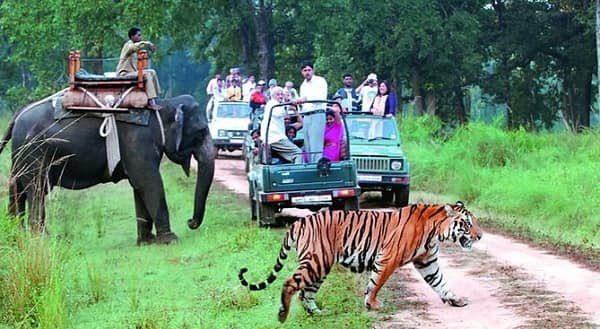
Best Time to Visit Jim Corbett
The best time to visit Jim Corbett National Park is from October to June. The park remains closed during the monsoon season (July to September) for safety reasons and to allow the ecosystem to rejuvenate. Within the open season, the months can be divided into different experiences:
1. Peak Season (October to February)
This is the most popular time to visit Jim Corbett. The weather is pleasant with cool mornings and evenings. Daytime temperatures range between 10°C to 25°C. The forest is lush green after the monsoon, and animal sightings are good, especially near water sources. This period is ideal for families and first-time visitors who prefer comfortable weather.
2. Summer Season (March to June)
March to June is considered one of the best times for tiger sightings in Jim Corbett. As water sources dry up, animals gather around remaining water bodies, making it easier to spot tigers, elephants, deer, and other wildlife. Though days can get hot (up to 40°C), early morning and evening safaris are highly rewarding. This is the preferred season for serious wildlife photographers and enthusiasts.
Why Avoid Monsoon (July to September)?
The park remains closed during the monsoon due to heavy rainfall, flooded roads, and safety concerns. The terrain becomes slippery, and wildlife tends to stay deeper in the forest, reducing sighting chances. However, the park’s surroundings remain lush and beautiful if you want to visit nearby areas.
Month-wise Breakdown
- October to November: Pleasant weather, fewer crowds, good sightings.
- December to February: Peak tourist season, cold mornings, excellent overall experience.
- March to April: Warming up, good wildlife activity, moderate crowds.
- May to June: Hot days but best tiger sightings, fewer tourists.
Safari Types and Timings
Jim Corbett offers two main safari types:
- Jeep Safari (most popular and recommended)
- Canter Safari (larger vehicle, more economical)
Safaris are conducted in two shifts:
- Morning Safari: 6:00 AM – 10:00 AM
- Afternoon Safari: 2:00 PM – 6:00 PM
Morning safaris are generally better for wildlife sightings as animals are more active after the night.
What to Expect During Different Seasons
Winter (Dec-Feb): Cool and pleasant. Excellent for birdwatching and overall forest experience. Carry warm clothes for early morning safaris.
Summer (March-June): Hot but highly rewarding for big cat sightings. Carry plenty of water, sunscreen, and light clothing.
Tips for Visiting Jim Corbett
- Book safaris and resorts well in advance, especially during peak season.
- Choose resorts inside or near the park for better wildlife experience.
- Carry binoculars, camera with zoom lens, and insect repellent.
- Follow park rules strictly – no loud noise, no getting down from vehicles.
- Hire experienced guides for better sightings and information.
Best Time for Specific Interests
- Tiger Safari: March to June
- Birdwatching: October to February
- Photography: October to March (golden light)
- Family Trip: October to February (pleasant weather)
- Budget Trip: May to June (lower crowds and rates)
Frequently Asked Questions (FAQs)
1. What is the best month to visit Jim Corbett National Park?
March to June is considered the best for tiger sightings, while October to February offers the most pleasant weather.
2. Is it safe to visit Jim Corbett during summer?
Yes, it is safe. Early morning and evening safaris are comfortable. Carry enough water and sun protection.
3. When does Jim Corbett National Park open and close?
The park usually opens in mid-October and closes by the end of June. Exact dates may vary slightly each year.
4. Which zone is best for tiger sighting in Jim Corbett?
Dhikala, Bijrani, and Jhirna zones are popular. Dhikala offers the highest chance of tiger sightings.
5. How many days are ideal for a Jim Corbett trip?
3 to 4 days are ideal to enjoy multiple safaris and explore different zones properly.
Jim Corbett National Park offers a unique wildlife experience throughout its open season. Whether you visit in winter for pleasant weather or in summer for better wildlife sightings, the park never fails to mesmerize visitors with its natural beauty and rich biodiversity.
Plan your trip according to your priorities — comfort, wildlife sightings, or budget — and you are sure to have a memorable experience in one of India’s finest national parks.