
A capsule wardrobe is one of the most practical and liberating ideas in modern fashion — a deliberately curated collection of versatile, high-quality pieces that work together seamlessly, eliminating the daily frustration of having a full wardrobe yet feeling like you have nothing to wear. The concept, popularised by fashion designer Donna Karan in the 1980s and dramatically revived by minimalist lifestyle movements in the 2010s, has never been more relevant than in 2026, when conscious consumption and intentional style are increasingly valued over fast fashion accumulation.
Building a capsule wardrobe doesn’t mean owning fewer clothes — it means owning the right clothes. It is the difference between a wardrobe of 30 pieces you reach for constantly and a wardrobe of 100 pieces where half never leave the hanger. This guide gives you a practical, step-by-step framework for building a capsule wardrobe that serves your real life every day.
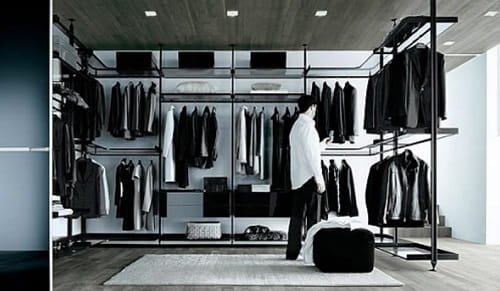
What Is a Capsule Wardrobe?
A capsule wardrobe is a curated collection — typically 25 to 50 pieces — of timeless, versatile clothing and accessories that can be mixed and matched to create a large number of outfits. Every piece in a capsule wardrobe is chosen because it works with multiple other pieces, suits your actual lifestyle and occasions, fits well, and is made to last. The result is a wardrobe that feels effortless — getting dressed in the morning takes minutes rather than decisions, because every piece you own already works with everything else.
Step 1 — Audit Your Existing Wardrobe
Before buying anything new, go through everything you currently own. Remove every item and evaluate it honestly against three questions: Does it fit well right now? Do I actually wear it? Does it make me feel good? Anything that fails these criteria — clothes that are waiting for you to lose weight, impulse purchases you never wore, items kept out of guilt — goes into a donate or discard pile.
What remains should reflect your genuine style and real life. This audit process is often revelatory — most people discover they regularly wear only 20–30% of their wardrobe, which is the foundation insight that makes a capsule wardrobe work.
Step 2 — Define Your Lifestyle and Colour Palette
A capsule wardrobe must serve your actual life — not a theoretical version of it. Honestly assess how you spend your time. If you work from home 4 days a week, your wardrobe should be 60–70% casual and comfortable with some smart-casual options. If you’re in a corporate office daily, the balance shifts toward formal and business casual. If you attend weddings and festivals frequently, a portion of your capsule should include Indian occasion wear.
Equally important is establishing a core colour palette — typically 2–3 neutral base colours (white, black, navy, camel, grey, or beige) plus 1–2 accent colours that reflect your personality. When every piece in your wardrobe works within the same colour family, mixing and matching becomes automatic. Buy all basics in your core neutrals and save accent colours for statement pieces.
Step 3 — The Essential Capsule Wardrobe Pieces
For Women
Tops and Blouses — 3 plain tees in white, black, and a neutral tone. 2 formal blouses in muted colours. 1 striped or subtle-patterned shirt. 1 fitted polo or round-neck knit.
Bottoms — 1 pair of well-fitted straight or wide-leg jeans in dark wash. 1 pair of tailored trousers in black or navy. 1 midi skirt in neutral or muted print. 1 pair of comfortable neutral-toned leggings or joggers.
Dresses — 1 simple wrap dress or shirt dress that works across casual and smart-casual. 1 formal or occasion dress for events.
Outerwear — 1 structured blazer in neutral tone. 1 lightweight jacket or denim jacket. 1 versatile cardigan.
Indian Wear — 2–3 kurtas in clean colours that pair with jeans or palazzo pants. 1 saree or anarkali for formal occasions.
Shoes — White sneakers, block heels or loafers, flat sandals, and one pair of occasion heels.
Bags — 1 everyday tote, 1 structured handbag, 1 casual crossbody.
For Men
Tops — 3 plain round-neck tees in white, grey, and black. 2 Oxford or linen shirts in white and light blue. 1 striped casual shirt. 1 polo shirt.
Bottoms — 1 pair of dark wash jeans. 1 pair of chinos in beige or olive. 1 pair of formal trousers. 1 pair of joggers or comfortable casual trousers.
Outerwear — 1 blazer in navy or charcoal. 1 bomber or casual jacket. 1 neutral hoodie.
Indian Wear — 2 solid kurtas for casual and festive occasions. 1 bandhgala or Nehru jacket for formal events.
Shoes — White sneakers, leather loafers or Derby shoes, casual sandals.
Accessories — 1 leather belt, 1 casual canvas belt, a watch, and 1–2 caps or hats.
Step 4 — Quality Over Quantity
The single most important principle of a capsule wardrobe is investing in quality for your most-worn pieces. A ₹2,000 plain white tee that maintains its shape, colour, and fabric quality through 100 washes is better value than a ₹400 tee that pills and yellows after 10 washes. Focus your budget on the pieces you reach for most — basics, key bottoms, and outerwear — and be more budget-conscious with trend-led accent pieces that you may replace seasonally.
Step 5 — Maintain and Refresh Seasonally
A capsule wardrobe is not static — it evolves with your life and the seasons. Every 3–4 months, do a brief audit. Remove pieces that no longer serve you. Identify genuine gaps — not perceived gaps driven by shopping impulse. Add 2–3 new pieces per season maximum to freshen the collection without accumulating clutter. This seasonal review keeps the wardrobe current, functional, and manageable.
The Capsule Wardrobe Mindset
Building a capsule wardrobe ultimately requires shifting from a scarcity mindset — buying more because more feels like more options — to an abundance mindset, where carefully chosen fewer pieces actually create more confident, consistent, and enjoyable dressing. When every piece you own fits, flatters, and works with your other pieces, getting dressed becomes a daily pleasure rather than a daily anxiety.
Start with your audit this weekend. You will be surprised by how much clarity, freedom, and style you find in choosing less.