
Sustainability used to be a word that only showed up in thick reports or high-level meetings, but now it is something that you can see right on the shelves of your local grocery store. It is quite interesting to see how the items we buy every day, like soap or snacks, are now tied to much bigger goals, such as saving water or reducing plastic waste. People often focus only on price or brand name, but the way these products are made is changing rapidly. In India, the shift is very visible because the scale of consumption is so high that even a small change in packaging or energy use can have a massive impact on the environment.
Small Changes That Make A Big Difference
When you look at what makes a business the best FMCG company in the eyes of a modern shopper, it often comes down to how they handle their waste. Most of the plastic we use comes from everyday household items, and companies are now under a lot of pressure to ensure it does not end up in landfills. Many of them have started programs to collect back as much plastic as they sell, which is a huge task considering how many tiny villages they reach. It is not just about the plastic, though, because the amount of water used in factories is another major area where change is underway. If a factory can recycle its water without taking from the village’s local supply, that is a win for everyone involved.
It is a slow process, and you cannot expect every bottle to become eco-friendly overnight because the technology to make those materials is still being developed. There is a lot of trial and error: a company might try a new paper-based straw or a thinner plastic film, only to find it does not keep the food fresh long enough. These are the practical problems that happen behind the scenes while we just see a new logo or a green leaf on the box.
Looking At The Bigger Picture Of Resources
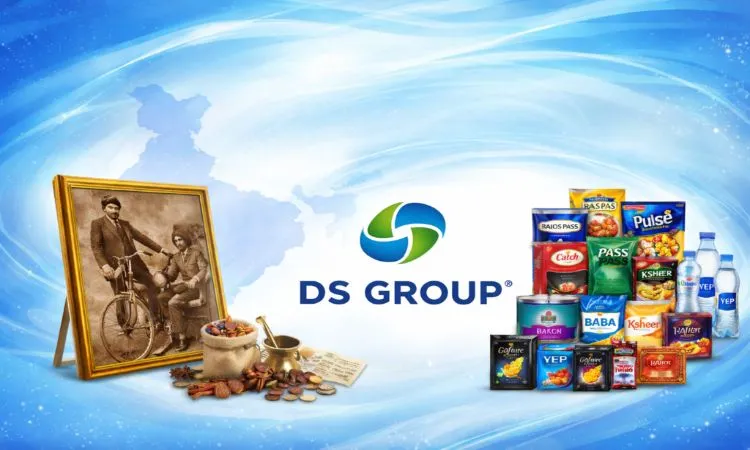
Energy is another part of the story that often stays hidden from the average person buying a bag of chips or a bottle of juice. Many factories that produce our favourite goods, like DS Group, are now switching to solar or wind power because it is becoming cheaper and more reliable over time. This helps the business keep its costs down while also cutting its carbon footprint, which is a fancy way of saying it pollutes less. You might notice more market trends moving toward these green options as businesses realise that being responsible is actually good for their long-term survival. If they do not look after the soil or the water today, they will not have the raw materials they need to make their products ten years from now.
Sometimes people think that only the massive global players can afford to do this, but even local businesses are finding that saving electricity or reducing packaging saves them money in the long run. It is simple logic: less waste means greater efficiency, and that is something every manager understands. It is also quite grounding to see how these big corporate goals eventually connect back to the farmers who grow the tea or the wheat. If the company helps the farmer use fewer chemicals or adopt better water management practices, then the whole chain becomes a bit more stable.