
The word “detox” has been so thoroughly commercialised — attached to expensive juice cleanses, herbal supplements, and fasting protocols — that its genuine physiological meaning has become obscured. Your body is not a system that accumulates toxins waiting for a weekend juice cleanse to release them. It is a continuously self-cleaning biological machine with dedicated detoxification organs — the liver, kidneys, lungs, skin, and lymphatic system — that work 24 hours a day to identify, neutralise, and eliminate metabolic waste products, environmental chemicals, and cellular debris.
What natural detoxification actually means is supporting the optimal function of these existing detox organs and reducing the toxic burden they must process. The liver is overwhelmed by alcohol, processed food additives, and medication overuse. The kidneys require adequate water to filter blood effectively. The lungs are stressed by air pollution and cigarette smoke. The gut microbiome is disrupted by antibiotics, processed foods, and stress. This guide covers practical, evidence-based habits that genuinely support your body’s natural detoxification systems — without expensive supplements or dramatic dietary restrictions.
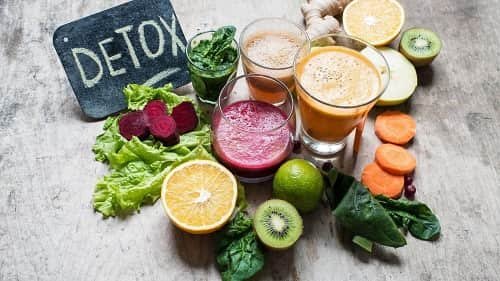
1. Hydrate Thoroughly — The Kidneys’ Most Important Need
The kidneys filter approximately 200 litres of blood daily, producing 1–2 litres of urine that carries dissolved waste products out of the body. This extraordinary filtration process requires abundant water to function efficiently. Inadequate hydration reduces kidney filtration rate, concentrates urine with metabolic waste, and over time increases kidney stone risk and urinary tract infection susceptibility.
Drinking 2–3 litres of water daily is the single most important support you can provide your kidneys. Warm water with lemon first thing every morning is particularly effective — the citric acid in lemon supports kidney stone prevention, and the warm water stimulates kidney and bowel function simultaneously.
2. Support Your Liver — Your Primary Detox Organ
The liver is the body’s most sophisticated detoxification laboratory — it converts fat-soluble toxins into water-soluble forms for kidney excretion, produces bile for fat digestion and toxin elimination, metabolises drugs and alcohol, and manages cholesterol. Supporting liver function is at the heart of any genuine natural detoxification approach.
Reduce alcohol — Alcohol is processed exclusively by the liver and is directly hepatotoxic at elevated consumption levels. Reducing or eliminating alcohol intake is the single most impactful liver-supporting decision available to most adults.
Eat cruciferous vegetables — Broccoli, cabbage, cauliflower, and radish contain glucosinolates that upregulate Phase II liver detoxification enzymes — the enzymatic processes that convert reactive metabolites into excretable forms. Include cruciferous vegetables 3–4 times weekly.
Consume beetroot — Beetroot contains betalains — antioxidant compounds with demonstrated hepatoprotective effects that reduce liver inflammation and support Phase II detoxification.
Avoid excessive processed foods — Artificial additives, trans fats, high-fructose corn syrup, and refined grains all increase the liver’s metabolic load without providing the nutrients it requires to perform detoxification chemistry.
3. Support Gut Health — The Toxin Elimination Highway
The gut is the primary elimination channel for liver-processed toxins — they are excreted in bile into the intestine and carried out in faeces. Sluggish gut transit — constipation — allows reabsorption of processed toxins from the intestinal wall back into the bloodstream, increasing the liver’s workload.
Daily fibre intake (25–35 grams), adequate hydration, probiotic-rich foods (curd, chaas, fermented foods), and regular physical activity all maintain healthy gut transit and prevent toxin reabsorption. This is why constipation resolution — through dietary and lifestyle means — is fundamental to any genuine detoxification approach.
4. Support Lymphatic Detox — Movement Is Medicine
The lymphatic system — a network of vessels that carries lymph fluid containing immune cells, proteins, and metabolic waste — has no pump of its own (unlike the circulatory system with the heart). It relies entirely on muscular contractions from physical movement to circulate lymph through the body. Sedentary behaviour causes lymphatic stasis — the accumulation of metabolic waste in tissues that the lymphatic system should be clearing.
Regular physical movement — even 30 minutes of walking daily — is the most effective lymphatic drainage support available. Dry body brushing (brushing the skin with a natural bristle brush in strokes toward the heart) is a traditional Ayurvedic and naturopathic technique that additionally stimulates lymphatic flow and skin exfoliation.
5. Support Lung Detoxification — Breathe Better
The lungs eliminate carbon dioxide, volatile organic compounds, and other gas-phase waste products with every exhalation. Deep diaphragmatic breathing — breathing deeply enough to engage the diaphragm and fully expand the lungs — dramatically increases the volume and efficiency of this gaseous waste elimination.
Most people breathe shallowly through the chest — utilising only the upper 30–40% of lung capacity. Practising deep belly breathing (inhale slowly, expanding the abdomen first, then the chest, for 5–6 counts — exhale completely for 6–8 counts) for 10 minutes daily significantly improves respiratory detox function and simultaneously activates the parasympathetic nervous system.
Additionally, improving indoor air quality — opening windows for ventilation, adding indoor plants (spider plants, peace lily, and neem are effective indoor air purifiers), and minimising exposure to chemical cleaning products — reduces the toxic burden on the lungs.
6. Sweat Regularly — Skin as a Detox Organ
While the skin’s role in detoxification is minor compared to the liver and kidneys, sweating does eliminate small amounts of heavy metals, BPA, and other environmental chemicals. More importantly, regular sweating through exercise promotes circulation, clears pores, and activates the lymphatic system simultaneously.
Regular exercise that induces healthy sweating — a 30-minute workout or yoga session — provides all these skin and lymphatic detox benefits while delivering the cardiovascular, metabolic, and psychological benefits that make it the most important single daily health practice.
Foods That Support Natural Detoxification
Moringa — Contains 46 antioxidants and significant amounts of liver-protective compounds. Among India’s most potent natural detox foods.
Turmeric — Curcumin stimulates bile production, supporting liver toxin elimination. Add to daily cooking with black pepper for maximum bioavailability.
Coriander and parsley — Traditional chelating herbs that bind to heavy metals and support their excretion.
Green tea — EGCG in green tea supports liver detox enzyme activity and provides powerful antioxidant protection against oxidative damage.
Garlic — Contains allicin and sulphur compounds that activate liver detox enzymes and support glutathione production — the body’s master antioxidant.
What to Avoid During a Natural Detox Period
Alcohol, tobacco, ultra-processed foods, excess sugar, excessive caffeine, unnecessary medication, and environmental chemical exposure (synthetic fragrances, chemical cleaning products, plastic food storage) all increase the toxic burden on your liver, kidneys, and lungs. Reducing these simultaneously with the positive habits above creates the most favourable conditions for your natural detox systems to operate at their best.
Frequently Asked Questions (FAQs)
Q: Do detox teas or juice cleanses actually work?
A: Most commercial detox products have no scientific evidence supporting their claims. Your liver and kidneys detox continuously — what they need is nutritional support and reduced burden, not a three-day juice fast.
Q: How long does natural detoxification take to show effects?
A: Liver enzyme improvements are measurable within 4–6 weeks of alcohol reduction and improved diet. Gut microbiome improvements can be seen within 2–3 weeks. Subjective energy and clarity improvements often appear within 7–10 days.
Q: Is fasting good for detox?
A: Intermittent fasting (16:8 pattern) does support autophagy — the cellular self-cleaning process — and reduces liver fat. However, extended fasts provide no additional detox benefit over the approaches described above.