
The Indian office wardrobe has evolved significantly over the past decade — the rigid formal dress codes that dominated corporate India through the 2000s have softened considerably in most sectors, replaced by a smart-casual culture that requires looking professional and polished without the stiffness of traditional business formal. However, this evolution has created new uncertainty — the boundaries of “smart casual” are less defined than the clear rules of business formal, making daily dressing decisions more complex for professionals navigating environments where dress codes are described in aspirational rather than specific terms.
Whether you work in a law firm, a startup, a public sector office, a bank, or a creative agency — each environment has specific professional dressing norms that this guide addresses. The common thread is looking intentional, respectful of the professional context, and personally confident — within whatever latitude the specific environment allows.
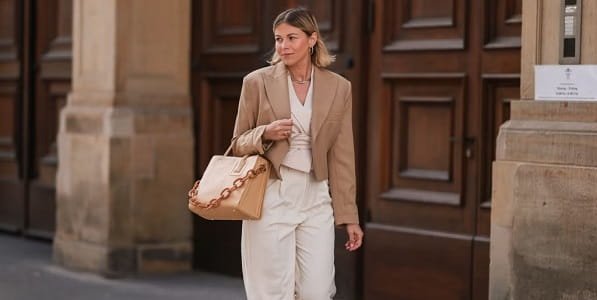
Understanding Office Dress Code Levels
Formal/Business Formal — Required in courts, traditional corporate environments, finance and banking sectors, and government offices. Men: formal suit or structured blazer with formal trousers, formal shirt, and Oxford shoes. Women: formal saree or salwar kameez suit, or structured western formal with blazer.
Business Casual — The most common dress code in contemporary Indian corporate offices — IT companies, consulting firms, media organisations, and modern startups. Allows smart trousers and chinos, formal shirts without a tie, structured dresses, and quality casual footwear alongside formal options.
Smart Casual — Startup culture, creative industries, and many modern companies allow smart casual dressing — the challenging middle ground where jeans are acceptable if worn with a polished top and quality footwear, but loungewear and athletic wear are not.
Men’s Office Wear — Category by Category
Business Formal — White or light blue formal shirt pressed crisply, formal trousers in navy, charcoal, or black, a structured blazer in a complementary colour, and black or dark brown Oxford or Derby shoes. A tie is optional in most contemporary formal environments. Well-polished shoes complete the formal appearance — worn-down or dirty shoes undermine even excellent formal clothing.
Business Casual — Chinos in beige, navy, or olive paired with a formal shirt (no tie needed), or formal trousers with a well-fitted polo shirt in summer. A blazer transforms business casual into a more formal register instantly — keeping one at the office for unexpected formal meetings is practical. Loafers and Derby shoes both work for business casual footwear.
Smart Casual Office — Dark indigo jeans (no distressing) with a structured shirt or fine-knit sweater, or chinos with a well-fitted tee under an open-collar shirt. Clean white sneakers from brands like Nike and Adidas are acceptable in genuinely smart casual environments.
Women’s Office Wear — Category by Category
Business Formal — A well-draping formal saree in silk or Chanderi with a structured blouse, or a sharply tailored formal salwar kameez suit in a muted jewel tone or neutral. For Western formal: a structured trouser suit or blazer-and-midi-dress combination in neutral tones. Block heels in leather or quality faux leather are the professional footwear staple.
Business Casual — Wide-leg trousers or formal trousers paired with a structured top, a co-ord set in muted tones, a fitted kurta with well-ironed churidar, or a formal shirt-dress that falls to knee or midi length. A blazer or structured jacket adds immediate formality. Flats or low heels in leather are the most practical business casual footwear for long office days.
Smart Casual — Dark jeans with a structured blouse, a casual but tailored co-ord set, or well-fitted kurta with contemporary accessories. The difference between smart casual and regular casual is quality — quality fabrics, clean lines, and intentional fit elevate casual pieces into office-appropriate territory.
Universal Office Dressing Principles
Iron or steam your clothing. Wrinkled clothing communicates carelessness in professional settings regardless of how expensive the garment. A travel steamer (₹1,500–₹3,000) is a practical investment for daily crease removal.
Maintain shoes actively. Polished, well-maintained shoes communicate professional attention to detail. Cleaning shoes weekly and polishing leather shoes monthly significantly extends their life and appearance.
Dress for the meeting, not just the day. Many professionals dress for their usual desk work but find themselves unexpectedly in an important client meeting or leadership presentation. Keeping a blazer or a formal dupatta in the office allows instant formality upgrade for unexpected professional demands.
Modest accessories in formal settings. Save statement accessories for smart casual or social contexts. In formal offices, minimal, quality accessories communicate professionalism better than elaborate accessorisation.
Indian Professional Wear — Ethnic in Corporate Settings
Traditional Indian professional wear has gained significant acceptance in contemporary Indian corporate culture — a well-draping silk saree, a sharply tailored salwar kameez in quality fabric, or a formal cotton kurta with trousers are all entirely appropriate in most Indian professional settings. The key is quality of fabric and tailoring — professional Indian wear requires the same attention to fit, ironing, and presentation as formal Western wear.
Frequently Asked Questions (FAQs)
Q: Can I wear jeans to a business casual office in India?
A: Yes — dark indigo jeans without distressing, worn with a structured shirt or blazer and quality footwear, are acceptable in most business casual environments.
Q: Is a kurta appropriate for corporate offices in India?
A: Absolutely — a well-fitted, quality fabric kurta with formal trousers is a legitimate and respected professional dressing choice in Indian corporate environments.
Q: What footwear is best for long office days?
A: Block heels (women) or Derby shoes (men) combine professional appearance with the comfort needed for full working days.