
If there is one electric appliance that has earned permanent, non-negotiable status in the Indian kitchen, it is the mixer grinder. Few appliances are as deeply integrated into the rhythms of daily Indian cooking — grinding fresh coconut chutney for the morning idli, blending a smooth tomato-onion masala for the afternoon curry, making a thick lassi, preparing fresh spice pastes, and churning through dozens of daily cooking tasks that would take an hour of manual labour in minutes. The mixer grinder is not a convenience luxury in Indian kitchens — it is, for most households, an absolute necessity.
Yet mixer grinders come with considerations around noise, motor longevity, jar size limitations, and specific use cases where they underperform. Whether you are buying your first mixer grinder, replacing an old one, or evaluating whether to upgrade to a more powerful model, this complete guide covers everything honestly.
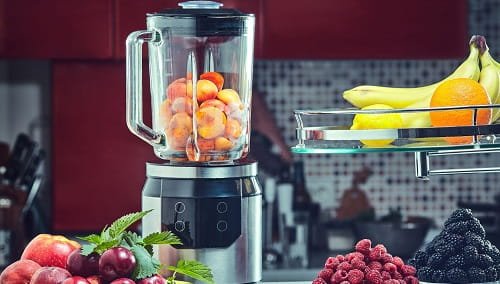
How a Mixer Grinder Works
A mixer grinder uses an electric motor to rotate a blade assembly at high speed inside sealed stainless steel jars. Multiple jar types — a large liquidiser jar, a smaller dry grinding jar, and a chutney jar — serve different purposes. The motor power (rated in watts) determines the speed, torque, and ability to handle tough grinding tasks. Most Indian mixer grinders range from 500 watts (basic) to 1,000+ watts (professional grade), with 750 watts being the sweet spot for comprehensive Indian cooking needs.
Advantages of Mixer Grinders
1. Essential for Indian Cooking
No appliance is more essential to Indian cooking than the mixer grinder. Grinding fresh coconut, making smooth chutneys, blending curry bases, preparing dosa and idli batter, making lassi and milkshakes, grinding spice powders, and pureeing soups all require a mixer grinder. Without one, these tasks require either time-consuming manual grinding (the traditional silbatta) or dependence on pre-made packaged pastes and chutneys that are nutritionally inferior and more expensive than fresh preparations.
2. Multi-Jar Versatility
A standard mixer grinder set includes 3 jars serving different purposes — the large liquidiser jar (1–1.5 litres) for batters, smoothies, and large-volume grinding, the medium multi-purpose jar for chutneys, pastes, and smaller grinding tasks, and the small chutney jar for tiny quantities like single-serving chutneys and spice pastes. This multi-jar design means a single appliance handles every grinding and blending need across a full day’s cooking.
3. Fresh Grinding Preserves Flavour and Nutrition
The difference between freshly ground coconut chutney made in a mixer grinder and packaged chutney from a jar is not merely one of flavour preference — fresh grinding preserves volatile aromatic compounds and nutrients that degrade rapidly after grinding and during shelf-stable packaging processes. Fresh masala base made from whole tomatoes, onions, and spices blended minutes before cooking delivers flavour depth that no pre-made paste can match.
4. Time Saving
What would take 20–30 minutes of manual grinding — wet coconut chutney on a traditional stone grinder, mortar and pestle spice paste preparation — takes 2–3 minutes in a mixer grinder. Across the multiple grinding tasks in an average Indian cooking day, the time saving is substantial — easily 30–60 minutes of additional grinding time eliminated daily in a kitchen that cooks three fresh meals.
5. Durable and Long-Lasting
Quality Indian mixer grinder brands — Bajaj, Preethi, Butterfly, Philips, and Sujata — are built for the rigours of daily Indian cooking, which is far more demanding than the occasional smoothie-making that Western blenders are designed for. A quality 750-watt Indian mixer grinder used daily can last 8–12 years with reasonable maintenance. The stainless steel jars are virtually indestructible with normal use.
Disadvantages of Mixer Grinders
1. Very Loud Operation
The mixer grinder’s high-speed motor generates significant noise — typically 80–90 decibels during operation, comparable to a loud conversation at close range. In open-plan homes, morning grinding tasks can disturb sleeping family members. For apartment dwellers, early morning or late-night grinding is inconsiderate to neighbours. This noise limitation effectively restricts usage to reasonable daytime hours.
2. Motor Overheating with Extended Use
Mixer grinder motors are designed for intermittent rather than continuous operation. Extended grinding sessions — particularly of tough ingredients like whole spices, hard coconut, or large batches of batter — can overheat the motor, requiring a cooling break. Most manufacturers recommend no more than 1–2 minutes of continuous operation before a brief pause. Ignoring this overheating protection damages motors prematurely.
3. Jar Size Limitations for Large Batches
The largest standard mixer grinder jar holds 1–1.5 litres — insufficient for large-batch batter preparation for big family gatherings or festive cooking where 3–5 litres of idli batter is needed. For high-volume cooking, multiple batches must be processed, which is time-consuming. Wet grinders — separate appliances specifically designed for large-batch batter — handle this task better than mixer grinders.
4. Not Ideal for Juicing
A mixer grinder is not a juicer — blending fruits or vegetables and straining the result produces juice, but it is less efficient, more wasteful of produce, and creates a less clear juice than a dedicated centrifugal or cold-press juicer. Citrus fruits, in particular, produce better results with a manual citrus press than in a mixer grinder.
5. Blade Maintenance
Mixer grinder blades — while durable — do dull over time, particularly with frequent dry grinding of hard spices and grains. Dull blades produce coarser grinding results and require longer processing times. Blade replacement is possible but requires purchasing brand-specific replacement assemblies that may not be available for older models.
Verdict
The mixer grinder is the single most indispensable electric appliance in the Indian kitchen — not a luxury but an operational necessity for any household cooking fresh Indian food. The 750-watt category from reputable Indian brands represents the optimal balance of power, durability, and value.