
The electric kettle is arguably the simplest, most energy-efficient, and most universally useful kitchen appliance in existence — a device that does one thing (boil water) with extraordinary speed, efficiency, and safety. Its simplicity is its genius. In a country where tea is not merely a beverage but a cultural institution consumed multiple times daily by hundreds of millions, and where hot water is needed for coffee, instant noodles, oatmeal, soups, and baby formula preparation — the electric kettle’s single function serves an enormous number of daily needs.
Despite its simplicity, not every household immediately sees the advantage of an electric kettle over the traditional stovetop method of heating water in a pan. This guide makes the comparison clearly, covering every advantage and every genuine limitation of electric kettles for the Indian kitchen context.
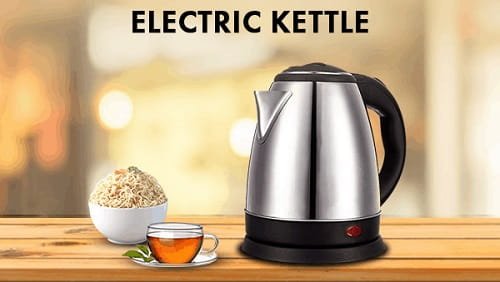
How an Electric Kettle Works
An electric kettle contains an immersion heating element — a coiled electrical resistance element — submerged in the water chamber. When connected to electricity, the element heats the surrounding water through direct electrical resistance. Most modern kettles include an automatic shut-off — a thermostat that detects when water reaches 100°C and disconnects the heating element instantly. This automatic shut-off is both a safety feature and a convenience feature. The entire process of boiling water is contained within the kettle’s closed lid, preventing evaporation loss and maintaining hygienic conditions.
Advantages of Electric Kettles
1. Extraordinary Speed
An electric kettle boils water faster than virtually any stovetop method. A 1.5-litre kettle at 1,500 watts boils water in approximately 3–4 minutes — compared to 8–12 minutes on a gas burner for the same volume. This speed difference is particularly meaningful for the multiple daily tea preparations in Indian households, where waiting 10 minutes for boiling water every time tea is made accumulates to significant time waste over the course of a day.
2. Energy Efficiency
Electric kettles are among the most energy-efficient kitchen appliances available. The immersion element heats water directly — no energy is wasted heating a pot, a burner surface, or surrounding air. At 85–90% thermal efficiency, electric kettles use approximately 50% less energy than gas stoves for equivalent water boiling tasks. This efficiency translates to meaningfully lower electricity costs compared to the misconception that electric cooking is always more expensive than gas.
3. Automatic Shut-Off Safety
The automatic shut-off is the electric kettle’s most important safety feature — it eliminates the risk of forgetting water boiling on a gas stove, which leads to the pan running dry, potential gas hazards, and the wasted energy of continued heating after boiling. The kettle simply switches itself off and keeps the water hot for 20–30 minutes — completely hands-free and completely safe.
4. Precision Temperature Control in Advanced Models
Standard electric kettles boil water to 100°C automatically. Advanced variable temperature kettles allow you to select specific temperatures — 80°C for green tea (which burns at 100°C and becomes bitter), 85°C for white tea, 90°C for pour-over coffee, and 100°C for black tea and cooking needs. This temperature precision is a genuine quality-of-life improvement for tea and coffee enthusiasts.
5. Portability
Electric kettles require only a standard power outlet — they need no gas connection, no permanent installation, and no specific kitchen infrastructure. They are ideal for office desks, hotel rooms, hostel rooms, and travel. A compact 1-litre travel kettle weighing under 500 grams is among the most useful travel accessories for Indian travellers accustomed to frequent hot beverage consumption.
6. Hygienic Boiling
The electric kettle’s enclosed design with a lid that remains closed during boiling prevents dust, insects, and kitchen debris from entering the boiling water — a hygiene advantage over open stovetop boiling, particularly in Indian kitchens where cooking generates significant airborne spice particles and steam.
Disadvantages of Electric Kettles
1. Single Function
The electric kettle does one thing — boil water. Unlike a stovetop pot that serves dozens of cooking purposes, the kettle’s utility is limited to hot water preparation. Households that rarely need boiling water beyond chai preparation may find a stovetop pan serves the same purpose without requiring an additional appliance.
2. Limescale Buildup in Hard Water Areas
India’s hard water — high in dissolved calcium and magnesium minerals — causes limescale buildup inside electric kettles over time. The characteristic white mineral deposits that form on the heating element and inner walls reduce heating efficiency, affect taste, and eventually damage the heating element if not cleaned regularly. Monthly descaling with white vinegar or a commercial descaler is essential maintenance in hard water areas — a minor but necessary upkeep requirement.
3. Plastic Models Can Affect Taste
Budget electric kettles with plastic interiors can impart a subtle plastic taste to boiled water — particularly when new. Quality stainless steel interior kettles from reputable brands eliminate this issue entirely. Always choose stainless steel interior over plastic interior for both taste neutrality and long-term health considerations.
4. Cannot Be Used on Gas During Power Cuts
During power outages — common in many Indian cities and towns — the electric kettle is entirely useless. A stovetop pot remains functional regardless of electricity availability. Households in areas with frequent power cuts need a stovetop backup for hot water preparation.
Verdict
The electric kettle is one of the best value kitchen appliances available in India — fast, efficient, safe, and serving a genuine daily need for virtually every Indian household. Stainless steel interior models from reputable brands (Philips, Havells, Borosil, Bajaj) represent excellent value at ₹800–₹2,500.