
Indian home cooking is one of the world’s most nutritionally sophisticated culinary traditions — built over thousands of years on the principle that food is medicine. Every Indian household has a repertoire of daily recipes that, when prepared with fresh ingredients and traditional methods, deliver extraordinary nutritional balance. Yet in the modern rush toward packaged convenience foods and restaurant meals, this extraordinary culinary wisdom is increasingly undervalued.
The beauty of Indian homemade food is that balance is built into the traditional meal structure — dal for protein, sabzi for vitamins and minerals, roti or rice for carbohydrates, curd for probiotics and calcium, and pickle or chutney for digestive enzymes and micronutrients. When prepared at home with whole ingredients, these everyday foods collectively deliver every macronutrient and most essential micronutrients the body needs.
This guide celebrates ten of India’s most nutritionally powerful homemade foods — why they are exceptional for health, what they deliver nutritionally, and how to maximise their benefits in your daily cooking.
1. Dal — India’s Most Complete Protein Food
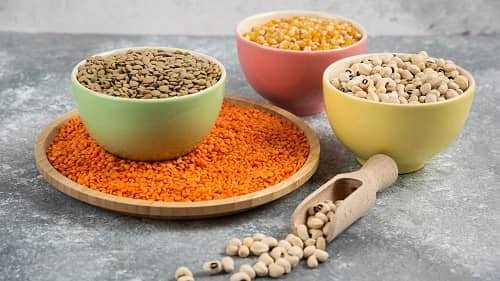
Dal — in all its extraordinary varieties — is the nutritional foundation of Indian cooking. Toor dal, moong dal, masoor dal, chana dal, urad dal, and rajma each bring slightly different nutritional profiles, but all deliver a powerful combination of plant protein, dietary fibre, complex carbohydrates, folate, iron, and potassium in every bowl.
Nutritional highlights — A single serving of cooked dal provides 8–12 grams of protein, 5–8 grams of dietary fibre, and significant amounts of iron and folate. When eaten with rice or roti — a complete protein combination that compensates for the amino acid limitations of each alone — dal forms a nutritionally complete meal that is economical, filling, and deeply nourishing.
Maximise benefits — Add a squeeze of lemon to your dal before serving — Vitamin C dramatically enhances the absorption of non-haem iron. Include a tempering of turmeric, cumin, and garlic to add anti-inflammatory and digestive benefits.
2. Sabji with Mixed Vegetables — Micronutrient Powerhouse
A daily mixed vegetable sabji — whether it is aloo gobi, palak paneer, methi sabzi, or a simple bhindi fry — is one of the most effective ways to deliver vitamins, minerals, antioxidants, and dietary fibre to your body. The diversity of vegetables in traditional Indian cooking ensures exposure to a wide range of micronutrients that no single food can provide.
Nutritional highlights — Leafy greens (palak, methi, sarson) deliver iron, calcium, and folate. Cruciferous vegetables (gobi, broccoli) provide Vitamin C and cancer-preventive compounds. Coloured vegetables (carrots, beetroot, capsicum) deliver beta-carotene and antioxidants. Cooking with small amounts of oil or ghee improves absorption of fat-soluble vitamins A, D, E, and K.
Maximise benefits — Rotate your vegetable choices throughout the week rather than relying on 2–3 favourites. Use iron pans for cooking spinach-based dishes — trace amounts of dietary iron transfer into food cooked in cast iron vessels.
3. Brown Rice or Hand-Pound Rice — Whole Grain Energy
Rice is India’s most consumed grain — but the shift from white rice to brown rice or traditional hand-pound varieties delivers significantly superior nutrition. Brown rice retains its bran and germ layers that are stripped from white rice — preserving dietary fibre, B vitamins, magnesium, and antioxidants. Hand-pound rice varieties traditionally available across South India retain similar nutritional advantages.
Nutritional highlights — Brown rice has a lower glycaemic index than white rice, meaning it raises blood sugar more slowly and sustains energy for longer. The higher fibre content supports digestive health, reduces cholesterol, and promotes satiety. Magnesium supports muscle function and sleep quality.
4. Whole Wheat Roti — Fibre-Rich Everyday Staple
The humble whole wheat roti — made fresh daily in most Indian homes — is a nutritionally excellent staple that packaged bread and refined flour alternatives cannot match. Whole wheat flour retains the bran and germ of the wheat grain, delivering dietary fibre, protein, B vitamins, iron, and complex carbohydrates in every serving.
Nutritional highlights — Two medium-sized rotis provide approximately 6 grams of protein, 4 grams of dietary fibre, and complex carbohydrates for sustained energy. Rotis made with added ingredients like ajwain (carom seeds) improve digestion. Rotis made with a small amount of ghee deliver fat-soluble vitamins and traditional Ayurvedic benefits for joint health.
5. Curd — India’s Probiotic Superfood
Fresh homemade curd (dahi) is one of the most nutritionally valuable foods in the Indian diet — a natural probiotic that supports gut microbiome health, immunity, digestion, and calcium absorption simultaneously. The live bacterial cultures in fresh curd are far more potent than those in commercial probiotic supplements. A daily bowl of curd is one of the simplest and most cost-effective health interventions available in Indian cooking.
Nutritional highlights — Curd provides 10–12 grams of protein per cup, high amounts of calcium and phosphorus for bone health, potassium for cardiovascular health, and billions of live probiotic bacteria (Lactobacillus) that strengthen gut flora and immunity. It also contains B12, riboflavin, and zinc.
Maximise benefits — Consume curd at room temperature rather than straight from the refrigerator for maximum probiotic activity. Add to meals as raita with cucumber and cumin, or consume plain as a digestive aid after lunch.
6. Khichdi — The Complete Balanced Meal
Khichdi — the combination of rice and lentils cooked together with minimal spices — is arguably India’s most perfectly balanced single-dish meal and one of the first foods Ayurvedic medicine recommends for healing and restoration. The combination of rice and dal in khichdi provides a complete amino acid profile, making it a nutritionally complete protein source even for vegetarians.
Nutritional highlights — Protein from dal, complex carbohydrates from rice, and the digestive benefits of turmeric, ginger, and cumin in the tempering make khichdi genuinely therapeutic. It is easily digestible, gentle on the gut, and highly nourishing — making it the food of choice during illness, recovery, and digestive stress. Adding vegetables like peas, carrots, and spinach elevates its nutritional profile further.
7. Idli and Sambar — The Fermented Nutrition Duo
The idli-sambar combination is one of South India’s greatest nutritional achievements — a breakfast or meal pairing that delivers complete protein, probiotics, diverse vegetables, and deep flavour in a low-calorie, easily digestible form. Idli batter — fermented overnight from rice and urad dal — develops lactic acid bacteria during fermentation that pre-digest the batter, enhance nutrient bioavailability, and introduce probiotic benefits.
Nutritional highlights — Fermentation improves the bioavailability of iron and zinc in idli significantly compared to unfermented rice preparations. Sambar’s vegetable base — tomatoes, drumstick, eggplant, shallots, and tamarind — delivers vitamins, minerals, antioxidants, and fibre. Together, the pair provides a nutritionally comprehensive, gut-friendly meal.
8. Rajma — The Kidney Bean Protein King
Rajma — red kidney beans cooked in a tomato-onion-spice gravy — is one of North India’s most beloved homemade dishes and also one of its most nutritionally dense. Kidney beans are among the most protein and fibre-rich legumes available and are particularly important for vegetarian diets where meeting daily protein requirements without meat requires thoughtful food selection.
Nutritional highlights — A serving of rajma provides approximately 15 grams of protein and 13 grams of dietary fibre — extraordinary numbers for a plant-based food. It is also rich in folate, magnesium, iron, and potassium. When served with rice (rajma-chawal), it forms a complete protein with the complementary amino acid profile of rice balancing the limitations of beans.
9. Vegetable Pulao or Biryani — Balanced One-Pot Nutrition
A well-made homemade vegetable pulao or biryani — with whole spices, long-grain basmati rice, seasonal vegetables, and optional paneer or eggs — delivers carbohydrates, protein, fibre, and a diverse array of spice-derived antioxidants in a single dish. The whole spices used in biryani preparation — cinnamon, cardamom, cloves, bay leaves, and star anise — are not merely flavouring agents but genuine sources of antioxidants and anti-inflammatory compounds.
10. Raita — Digestive Balance and Cooling Nutrition
Raita — curd mixed with vegetables (cucumber, tomato, onion, mint) and seasoning — is one of Indian cooking’s most intelligent digestive aids. Traditionally served alongside spiced dishes, raita neutralises the heat of chillis, adds probiotic bacteria from the curd, and delivers hydration, vitamins, and minerals from the vegetables in a single refreshing side dish.
The wisdom of the traditional Indian thali — Served together, dal, roti or rice, sabzi, curd, and raita form a complete, balanced meal that covers all macronutrients, most essential micronutrients, probiotics, antioxidants, and dietary fibre — a nutritional achievement that modern processed food science spends billions trying and failing to replicate.
Frequently Asked Questions (FAQs)
Q: Which Indian food is highest in protein?
A: Rajma, moong dal, and paneer are the highest protein Indian homemade foods.
Q: Is khichdi a complete meal nutritionally?
A: Yes — khichdi’s rice and dal combination provides a complete amino acid profile, making it nutritionally complete.
Q: Which Indian breakfast is healthiest?
A: Idli with sambar — fermented, probiotic-rich, low-calorie, and nutritionally complete.
Q: Is Indian home cooking healthy?
A: Traditional Indian home cooking — based on dal, whole grains, vegetables, and curd — is among the world’s most nutritionally balanced dietary traditions.